
The Applecado Blog

Unsurprisingly, online shops are gaining an ever-increasing share of sales in the UK. According to Statistica, more than 25% of retail sales were made online in early 2025.
This growing trend has only been boosted by the pandemic and our changing behaviours that stem from it.
With the formidable names such as Amazon and eBay, with their technology, logistics and giant budgets, it might feel impossible to compete, but here’s the truth – you can and lots of smaller eCommerce brands are by offering a better experience. Here’s what they do well that makes them stand out.
Put yourself in your customer’s shoes and assume they’ve never heard of your brand. Imagine what might put them off, what they may need to know, and what you can provide up front that will help build trust instantly.
This starts wherever you gained them from – that could be just an organic search, but even so your position in search will already have had an effect on their perception of your authority and authenticity.
There are so many factors people will consider, consciously or not, before making a purchase. Here are some of the things you can do or share that helps your customer fill in any gaps, and will make your site win over your competitors if you can do things differently.
Some basic easy wins are:
In our opinion, product descriptions are a fantastic opportunity to set you apart from your competitors.
Please don’t show a ‘tab’ for dimensions, or size-guides for example, and leave it empty. Don’t show me what you could have added for me but didn’t…
The majority of shoppers report they will conduct research before making a major purchase. Eliminating hurdles, building trust, sharing your outstanding service and support will help your customers feel confident in your brand.
Like a good description, your photography can set your listing apart. Professional quality photos boost conversion rates.
If you can’t commission a pro photographer for your range regularly, make sure your photos are clean, clear and consistent. Show detail in your images, this allows people to understand features and quality, and can even lower return rates.
Small, short videos can be valuable as they help customers understand even more about their product they are looking at.
Offering thoughtful ways to filter the product range is often understated.
Do some research; compare your shop with others and allow yourself to imagine being a customer who doesn’t know exactly what category or page an item can be found the way you do.
If you want to appeal to a bigger range of customers, you need to offer more ways for them to interact with your categories and products as everyone’s approach is different.
Our favourite filters:
(Un)Related items, ‘customers also bought’… again, approach this with your customer’s experience first and foremost. Lazy quick wins add no value, and you have the authority when it comes to what else customers bought so make it believable, please.
Pointing out the same item in a different colour isn’t truly as helpful as a for your consideration-related item. Highlighting comparable alternatives, or showing things that go together are helpful; they can convert alone, or increase order values.
Suggest curated add-ons, at the right time.
Is there anything more frustrating than ordering something that turns out to be out of stock? Keep your inventory updated so no-one’s disappointed.
Stock-level Winners:
I have the most faith in your reported stock levels if you tell me how many you have on the product’s page: “Only 5 in stock”, for example.
Even a ‘traffic light system’ will help convince customers, so low-stock and in-stock indicators might encourage an order with you over another online store.
Adding a little scarcity helps – it will encourage potential customers into making a purchase. However, don’t fake it!
If you’re out of stock, let me know how long it might be until it’s back – or let me sign up for a stock alert (and promise not to use it to add me to your newsletter)…
Depending on your supply chain and what the product is, you may even want to consider allowing pre-orders when you know something is coming back into stock regularly and reliably. You could even set limits on how many orders could be pre-ordered. Make sure any pre-order customer is kept as up to date as possible.
Often, customers comparing two (or more) different online shops will be looking to save costs. Give a really clear indicator so customers understand as early as possible what your shipping costs can look like.
Customers don’t (always) need speed, but they do need clarity:
If you offer free delivery on certain order values, make that one of the first things customers learn on the homepage and each product page.
While it’s often best to keep things simple, especially when asking customers to make choices, it can be really valuable to offer a couple of delivery methods. Some people will have preferences in who delivers their order, and if you can offer collection – why not?
Be honest about dispatch times. Express Shipping doesn’t mean I get same-day picking, but be clear about dispatch times to avoid disappointment – but equally if you are able to ship same day, or next day, make sure your customers are well aware of this benefit because they are more likely to convert if you might get their package to them more quickly.
Helpful communication at any opportunity will make your customer feel absolutely supported.
You might not match Amazon’s logistics but customers will understand and will forgive a slower delivery when communication is fast and friendly.
Don’t rely on chatbots for customer care unless you have genuinely tested this and simulated what your customers need from you. An AI agent or chatbot can help guide people through returns processes for example, but if they create a barrier to customer support or frustrate your users your brand will not be fondly remembered.
Clearly, this comes after the purchase, but this is a reminder that at the point of order – you’re not done yet.
It doesn’t have to cost a lot, financially or environmentally, but a little extra flair, personal touch, a small surprise like a sticker, sweet, or a handwritten note can turn your delivery into something unforgettable and increase the chances of your customer becoming a repeat.
Maybe this whole list could be reduced into the personal touch, but armed with your market research and vast product knowledge, your human experience is a valuable input in these times of chatbots, automation, and customer support dead-ends.
Add the personal touch to all of these elements wherever you can:
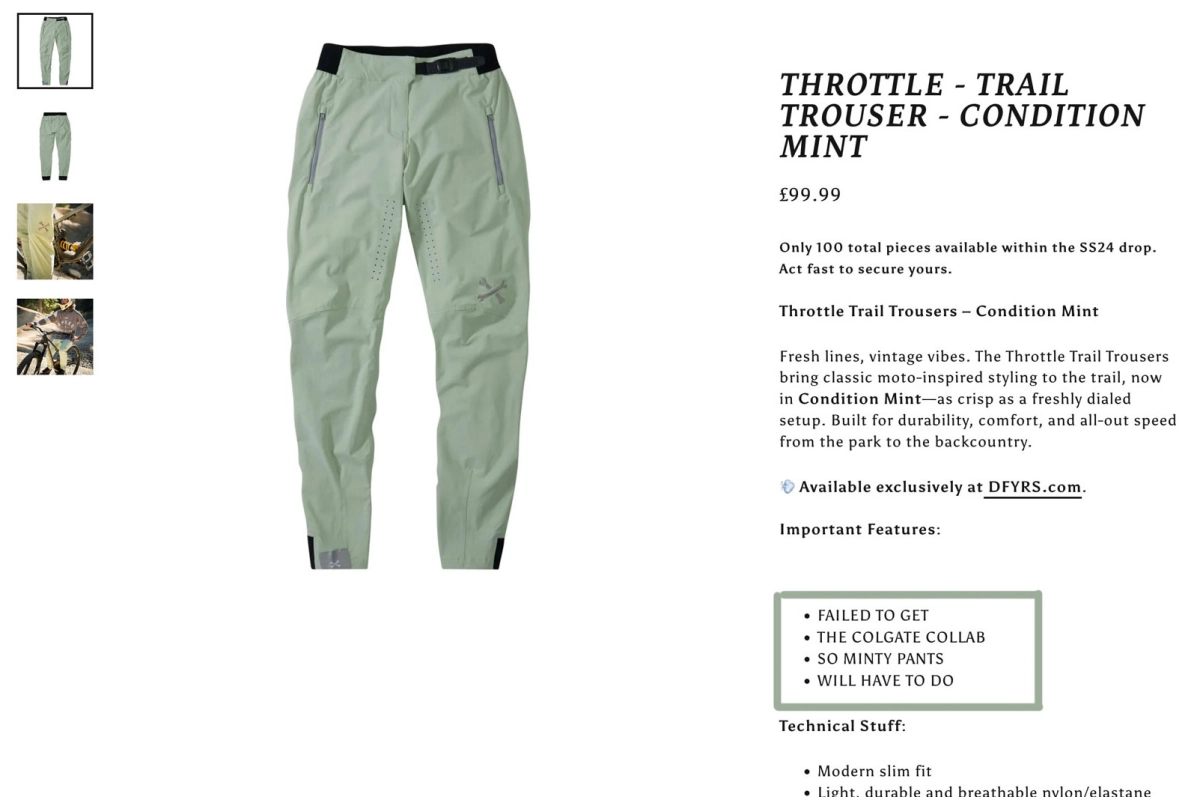
Craft product descriptions. One of my favourite examples for this is CommitEq who inject a little humour into each of their product features-list. They give you all the important detail still, but their features are a treasure trove and enticingly shareable!
Own Photography. Show details, different colours, close ups, model the items, add answers and authenticity with your added imagery.
Consider your Filtering. Actually test it too.
Another nice example is from Harts of Stur, their filters relate to the items being displayed. A customer can see a range of cookware, or filter down by the types of handles, capacity, or size.
Stock. Don’t disappoint, and offer ways to get around being out of stock.
Shipping. Offer clarity, flexibility. Find a balance between choices, and too many!
Communication. You can use tools to segment and automate emails, but really invest some time to make them useful, informative, and appreciative to make them successful at bringing customers back.
Final example: A very niche retailer, after a second purchase – sent an email that said how they’d personally noticed my return and repeat purchase. While this email could be simple segmenting and automation, its content felt 100% genuine and heartfelt, and this made a memorable impression.
At Applecado, we love online shops because there's always so much potential. If you've got an eCommerce brand, looking to launch or take the next step, and want to have a chat with our team about ideas, options, whatever - please contact us, we'd love to help.
Share this post on your favourite social platform

